

Zones and Directions
When you understand each direction, you can work with your space instead of against it.
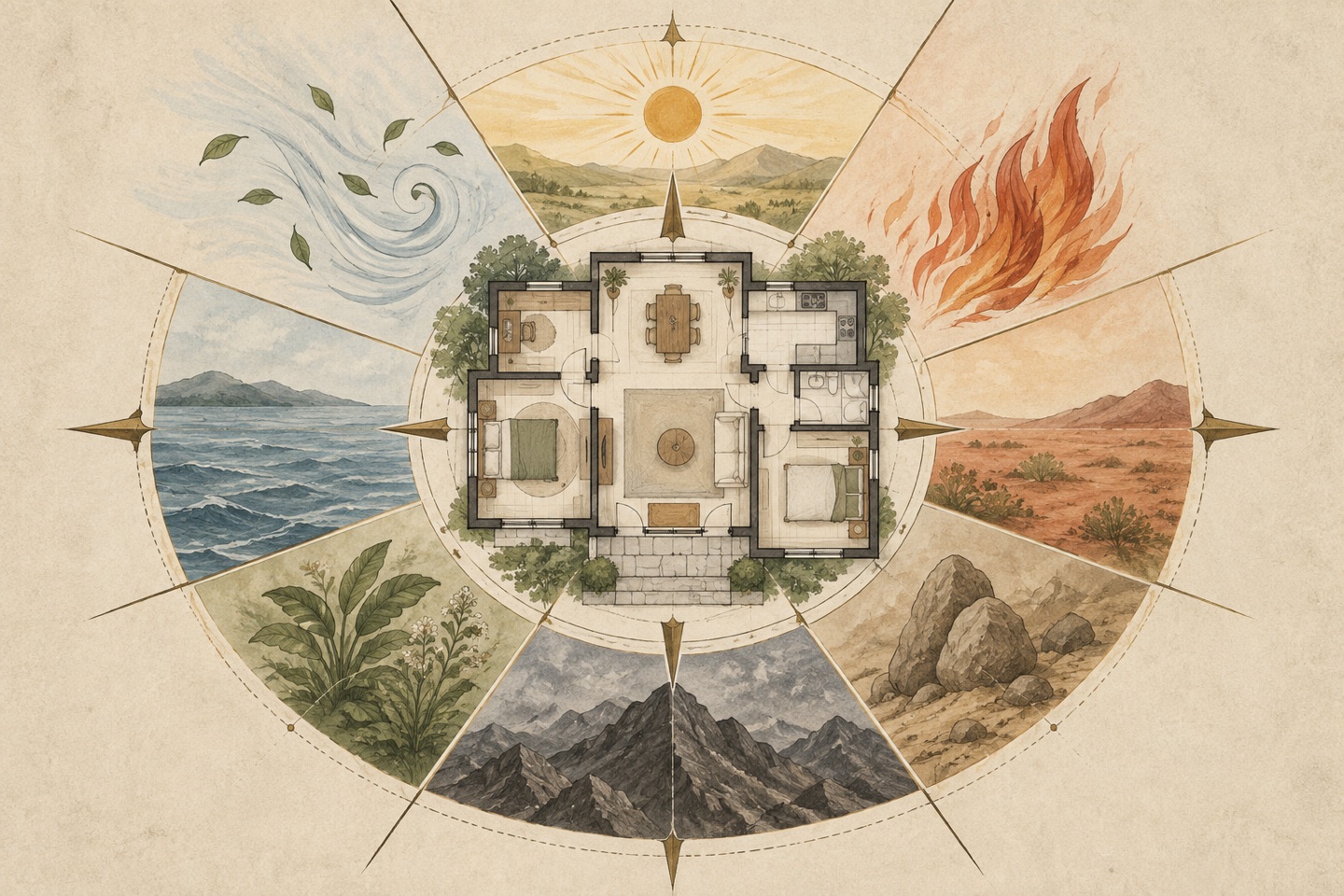
North Zone
Traditional Vastu associates north with incoming energy and abundance. Some schools prefer a north-facing entrance for work and financial activity.
Some Vastu schools treat north as active and prefer it for work or activity spaces instead of a main bedroom. This is a traditional placement rule, not a sleep assessment.
Some Vastu traditions place a water feature in the north as a symbol of flow. Keep the area open, well-lit, and safe from leaks.
Northeast Zone
Many Vastu schools rank northeast as the most auspicious direction. They often prefer an entrance, pooja room, or meditation area here.
This zone should be the highest and cleanest part of your home. Keep it clutter-free. Fresh air and natural light here create clarity.
Traditional Vastu associates a northeast entrance with clarity and an open path. This is a symbolic association, not a promise of life outcomes.
East Zone
East receives sunrise and morning light. Traditional Vastu associates it with beginnings and often prefers east-facing windows or entrances.
Traditional Vastu treats east as active. Practitioners often use it for daytime spaces instead of the main bedroom.
Some Vastu traditions recommend facing east at a study table or during meditation as a symbolic link to sunrise and clarity.
Southeast Zone
Southeast is where your kitchen belongs. Fire energy is strongest here. Your stove, microwave, and oven should be in the southeast if possible.
If your kitchen is elsewhere, place the cooking area in the southeast corner of that room. Face east or south when cooking.
Traditional Vastu uses southeast fire as a symbol of heat, activity, and transformation. This association is not a medical assessment.
South Zone
Traditional Vastu associates south with grounding and stability. Some schools prefer the main bedroom or heavier furniture in this area.
South-facing walls are thicker walls. Heavy furniture belongs on the south side, creating a protective barrier.
The south is also associated with ancestors and tradition. It grounds you in your roots. A south-facing wall honors what came before.
Southwest Zone
Traditional Vastu associates southwest with rest and completion. Many schools prefer this area for the main bedroom.
This is where you store things. Put your pantry, closet, or storage room in the southwest. The weight here is intentional and grounding.
Don't place your kitchen or active spaces in the southwest. This zone is for rest, not activity — keep it quiet and protected.
West Zone
West is where the sun sets. Energy here is descending and reflective. Use this for guest rooms, dining areas, or spaces of completion.
The west shouldn't be your main activity zone — it's better for evening activities like dining or quiet time. Don't place your kitchen here if possible.
A west-facing window is fine. Just balance it with north and east windows for circulation.
Northwest Zone
Traditional Vastu associates northwest with movement and transition. Practitioners often place passages, hallways, or guest areas here.
Some Vastu schools associate a northwest entrance with movement and helpful connections, but rank northeast or east more highly.
Many Vastu schools prefer the northwest for a guest bedroom because they associate this direction with movement and short stays.
Explore all 16 zones